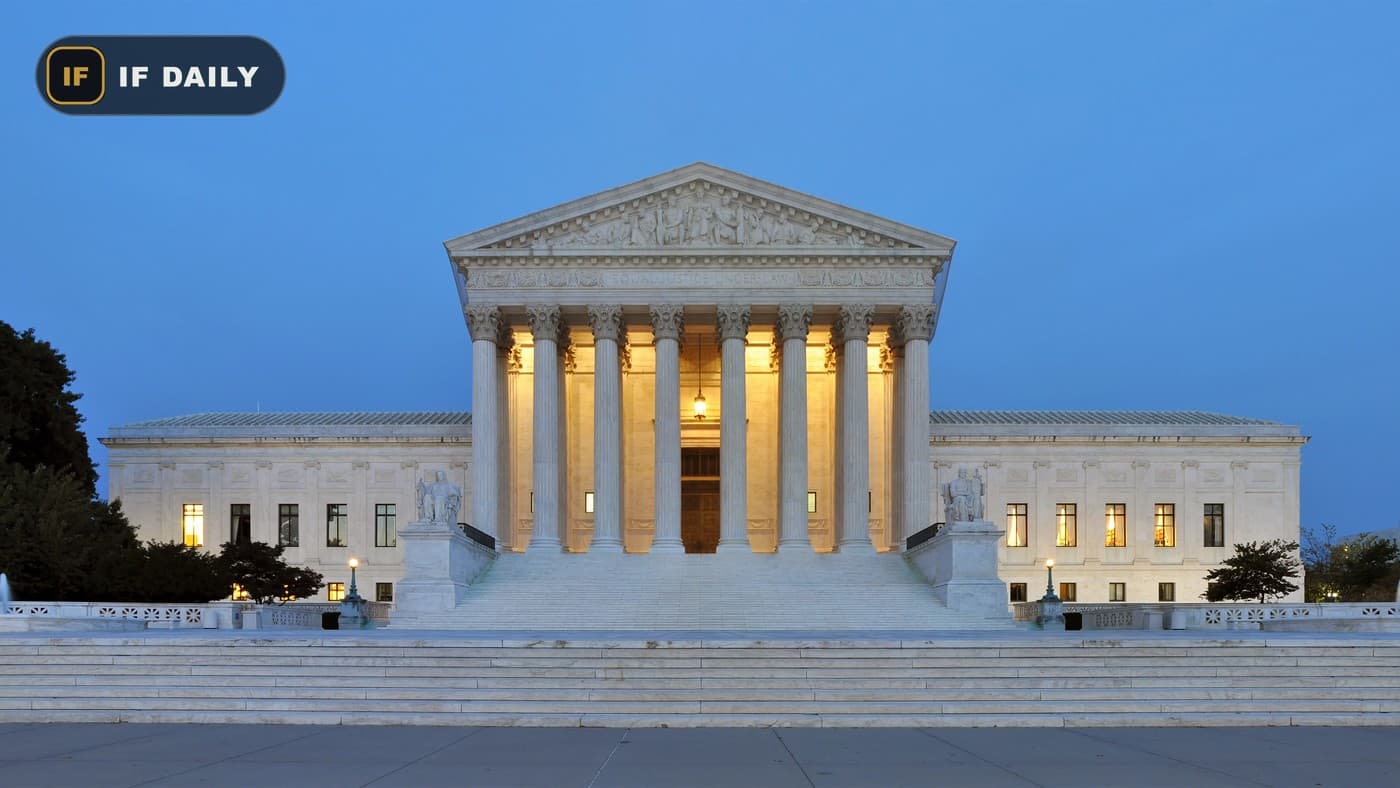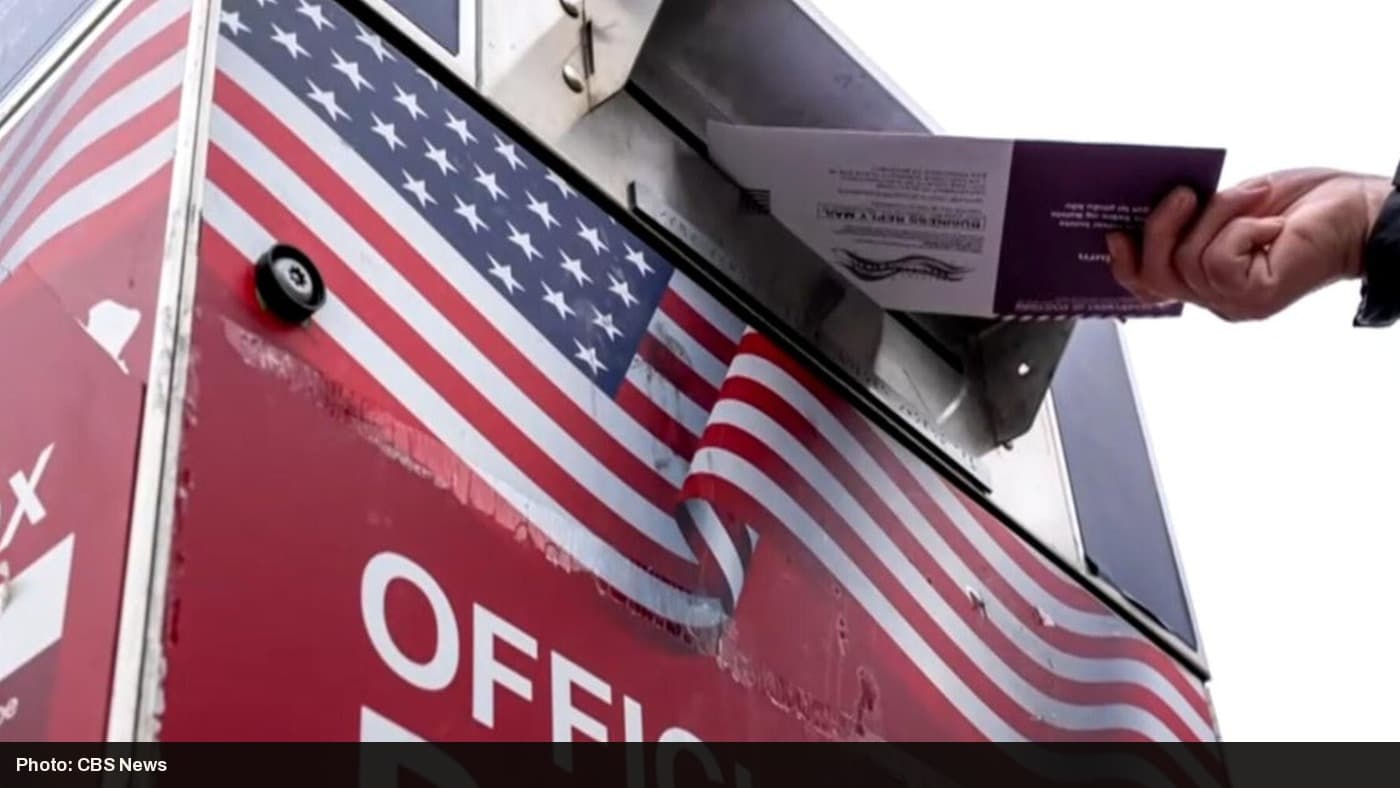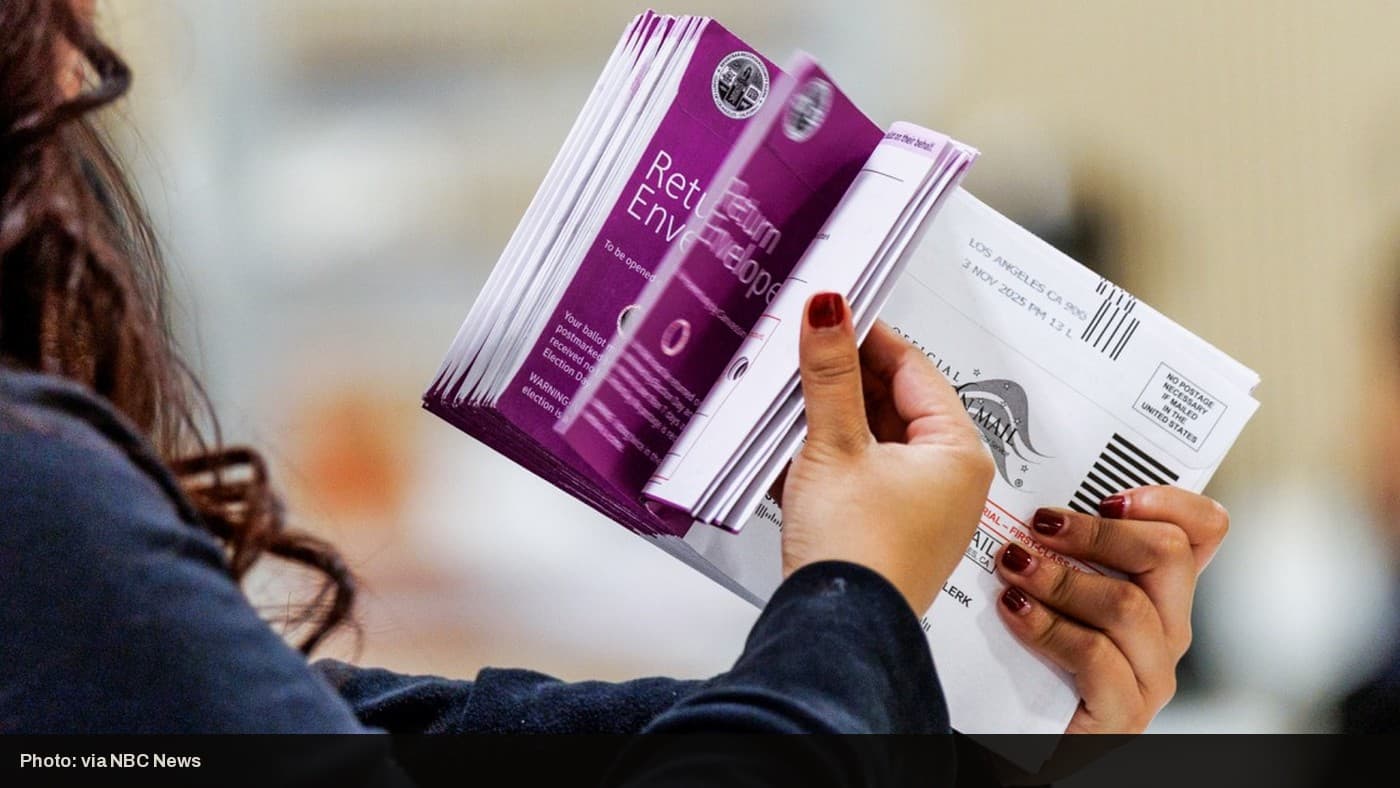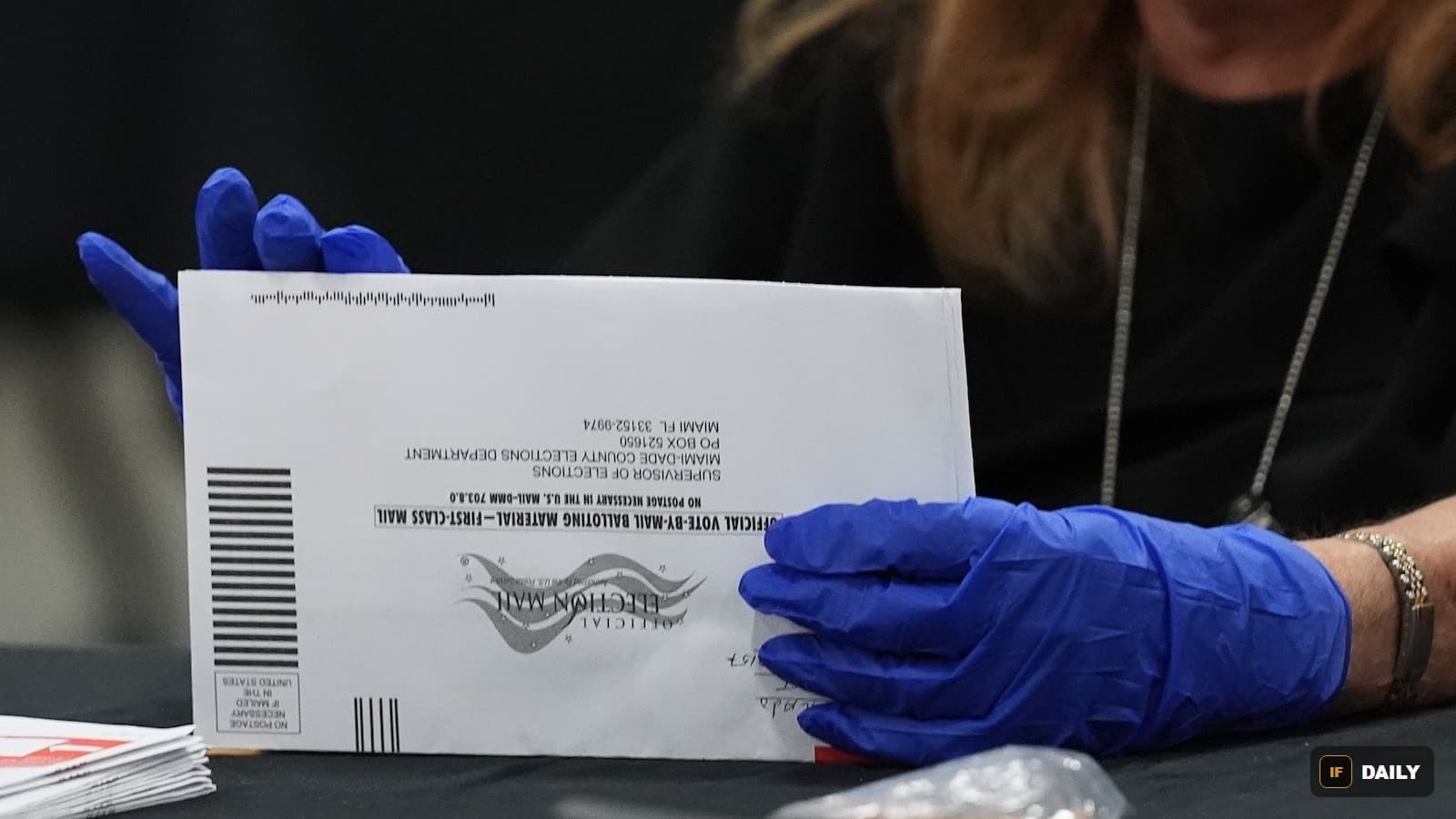
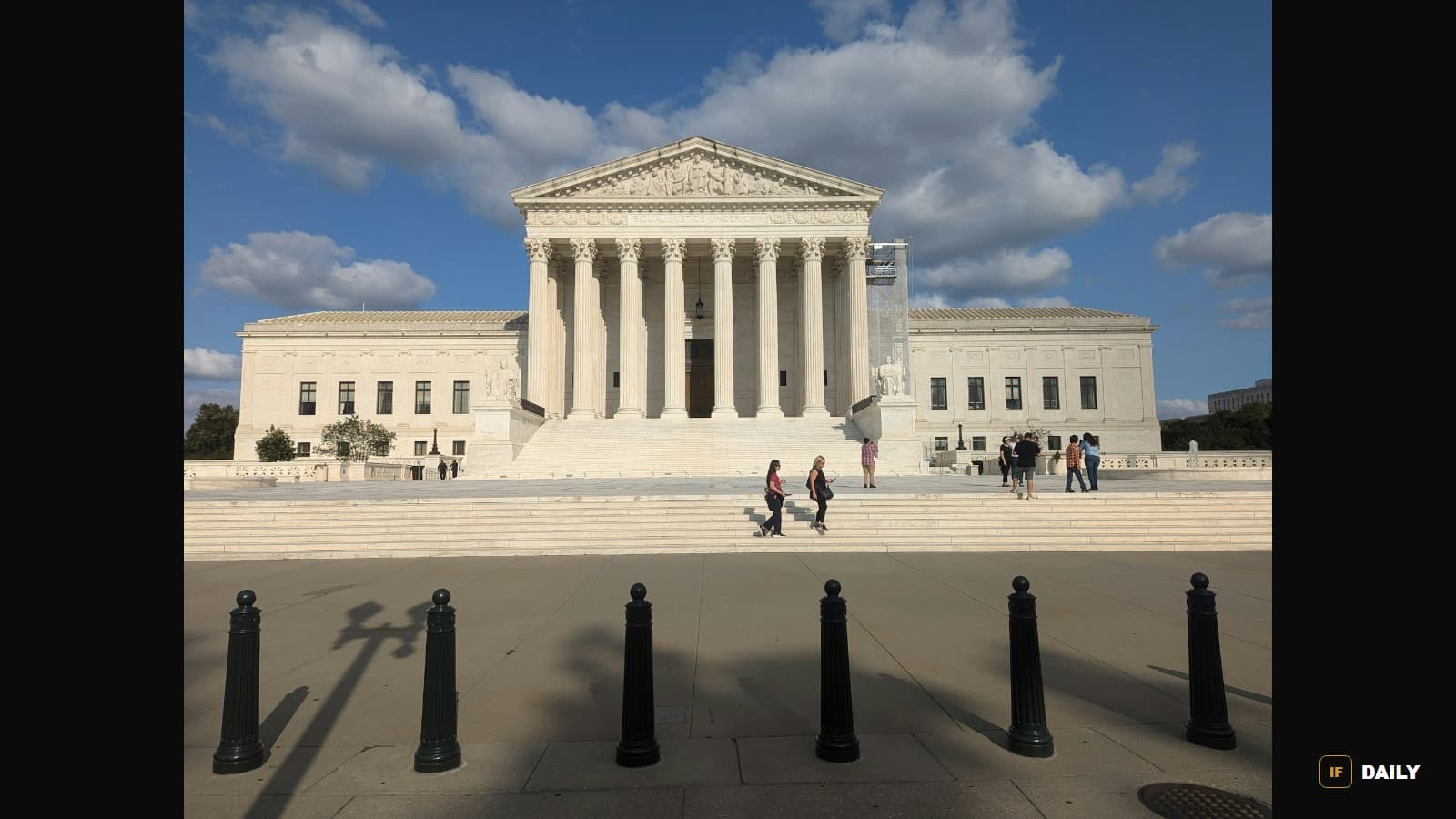
The Supreme Court gave the Trump administration a preliminary win Monday in its push to implement an executive order restricting who can receive mail-in ballots ahead of the November 2026 midterms, in a 6-3 ruling that split the court along ideological lines.
What the ruling does
The unsigned majority opinion lifted an injunction a Massachusetts-based federal judge had imposed in June, which had blocked key parts of the order in California and 22 other states that sued to stop it. The decision allows the Department of Homeland Security to compile a federal citizenship list and share it with states, lets the Attorney General prioritize prosecuting state officials who issue ballots to people deemed ineligible, and clears the way for new US Postal Service rules on state mail-ballot design, which were issued the previous Friday.
The court''s disposition of this application does not mean that any measure taken by the government to implement the order will necessarily be lawful. On that score, time will tell.
Unsigned majority opinion, US Supreme Court
What the ruling doesn''t settle
The decision did not address the executive order's most contested provision: a requirement that the Postal Service verify the eligibility of every mail-ballot recipient and withhold ballots from anyone not on a government list. That piece remains blocked nationwide under a separate August 11 injunction from a different federal judge, which the Supreme Court did not disturb. Justice Ketanji Brown Jackson dissented sharply, warning the order would create a "Kafkaesque nightmare" that "needlessly injects chaos and uncertainty into the upcoming midterm elections"; Justices Sonia Sotomayor and Elena Kagan also dissented. States and voting rights groups are expected to quickly challenge the newly issued Postal Service rules in court, and a separate lawsuit from Democratic Party committees and nonprofits remains pending in Washington, D.C., with the midterms now roughly 10 weeks away.