About 3,300 people who worked at Uber a week ago don't anymore. On September 2, the company told employees it's cutting roughly 10% of its global workforce — its largest round of layoffs since the pandemic.
What the Company Is Actually Cutting
This isn't primarily a drivers-and-couriers story — those are contractors, not employees, and largely untouched by this round. It's a corporate restructuring: Uber plans to shrink its management ranks by 20%, moving a chunk of those people into individual-contributor roles instead of eliminating them outright, while a separate group loses their jobs entirely.
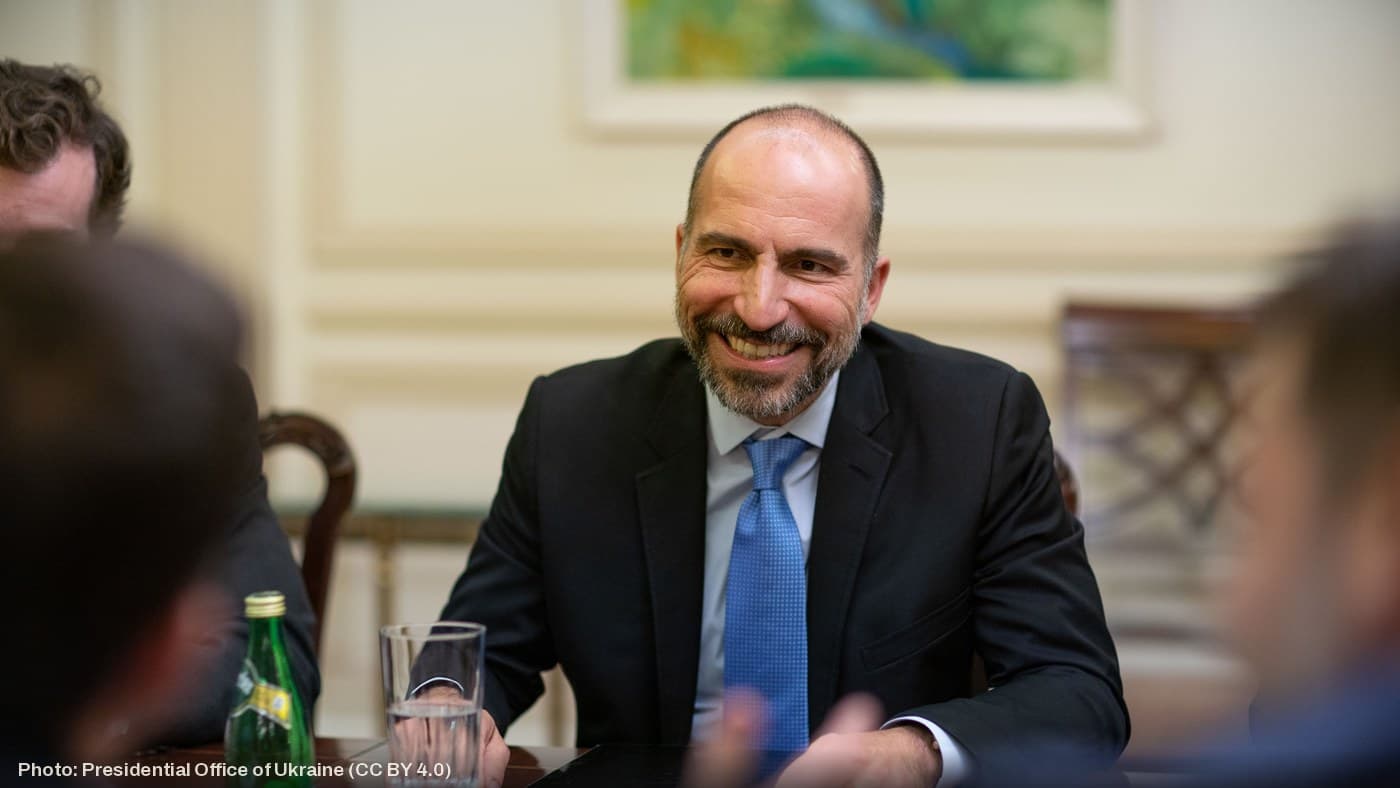
The changes we're making today are designed to do two things: make Uber simpler and faster, and create more capacity to invest in our future.
Dara Khosrowshahi, Uber CEO
Khosrowshahi has been explicit about one thing: this isn't an AI story. Plenty of tech layoffs this year have come with some version of "artificial intelligence let us do more with fewer people." Uber's CEO didn't make that claim here — he framed the cuts as pruning bureaucracy, not replacing headcount with automation.
Where the Freed-Up Money Is Going
The stated goal is reinvestment, not just savings: more spending on the core ride-hailing and delivery businesses, and more on Uber's push into robotaxis, an area where it's racing competitors that don't need to pay a human driver at all.
That framing puts this round of cuts in a familiar but uncomfortable position for the people losing jobs: a company that's profitable and growing, cutting staff anyway, in the name of moving faster toward a future that needs fewer people to run it.
Part of a Bigger Wave
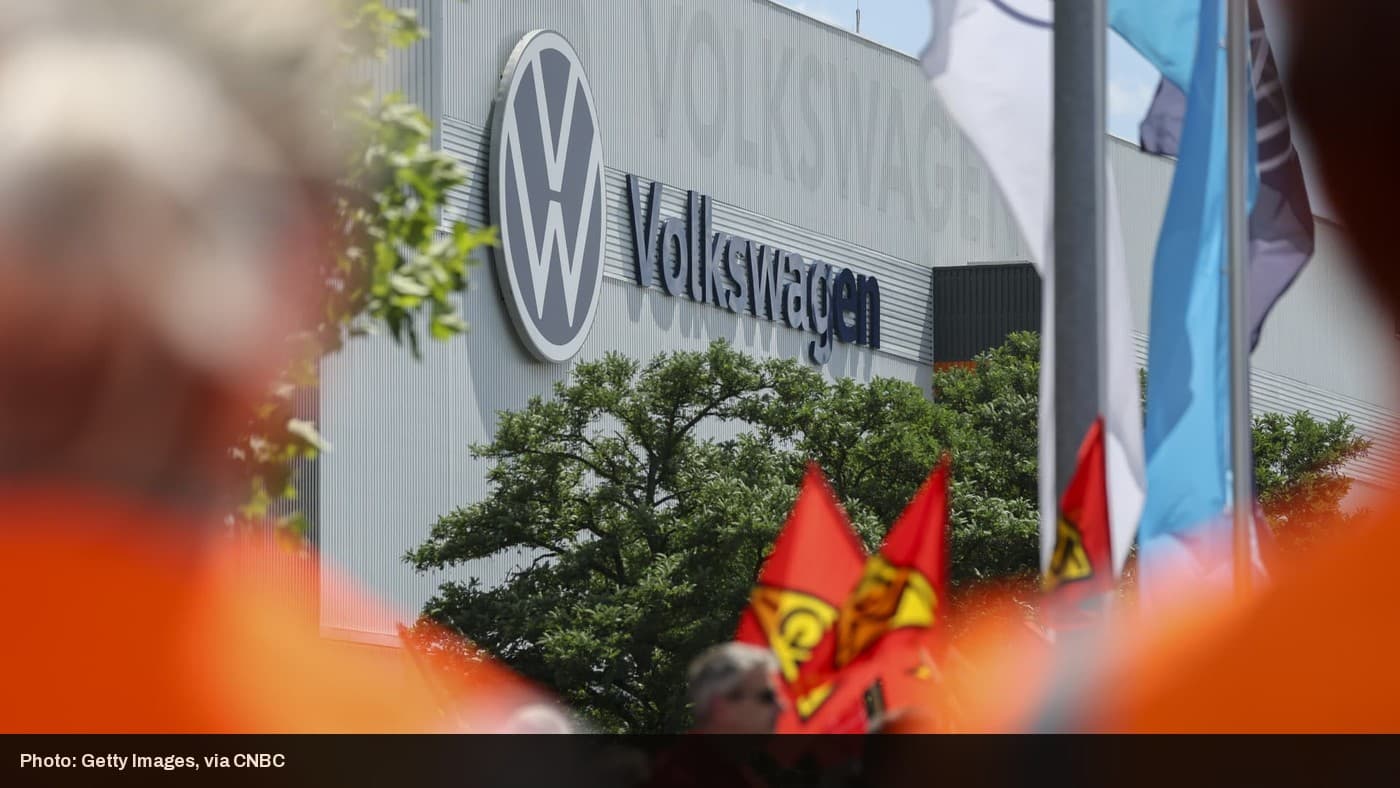
Uber's cuts landed in the same week as tens of thousands of other layoffs across the economy — Volkswagen alone cut 50,000 jobs as part of its own restructuring. As of this month, 2026 has already seen more than 200,000 tech-sector layoffs across hundreds of separate events. Uber's 3,300 is one line in a much longer list.