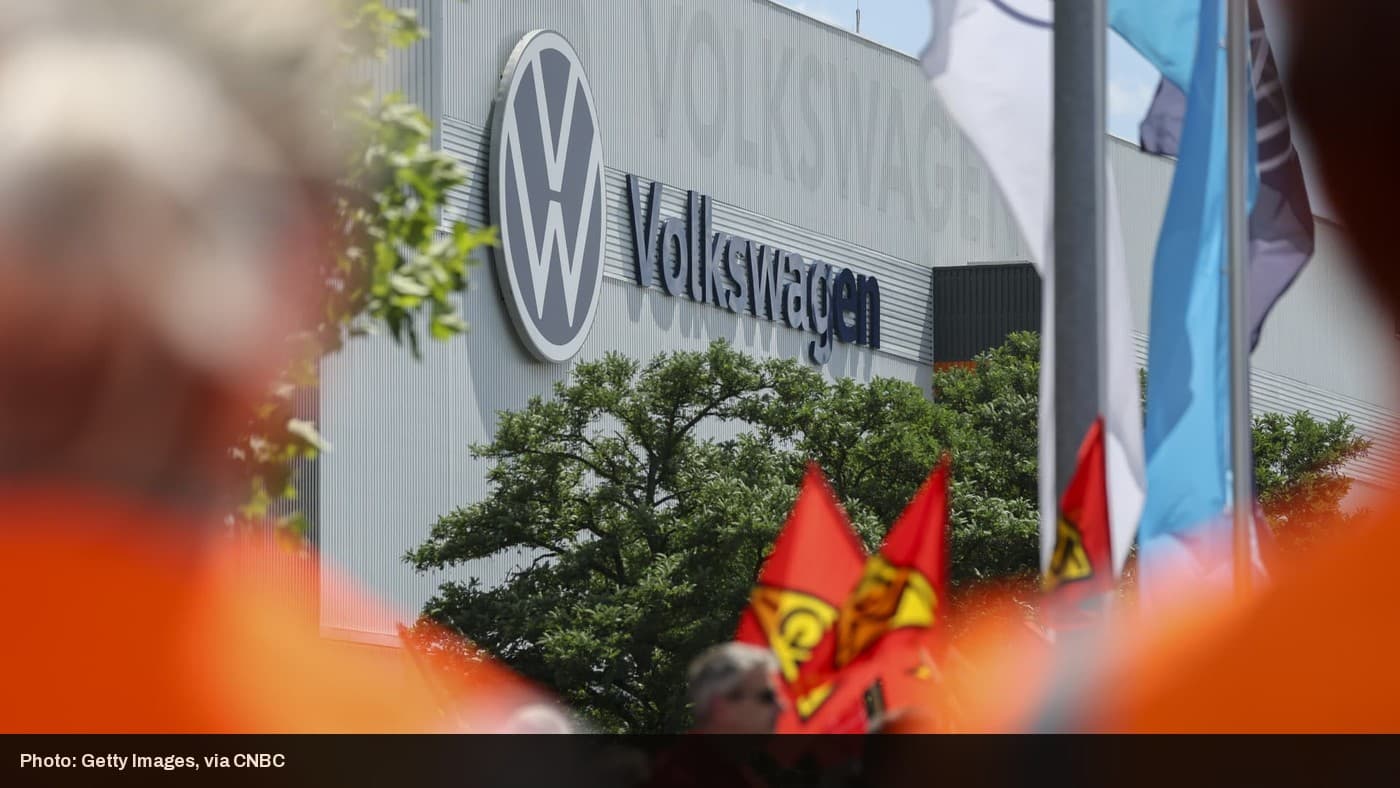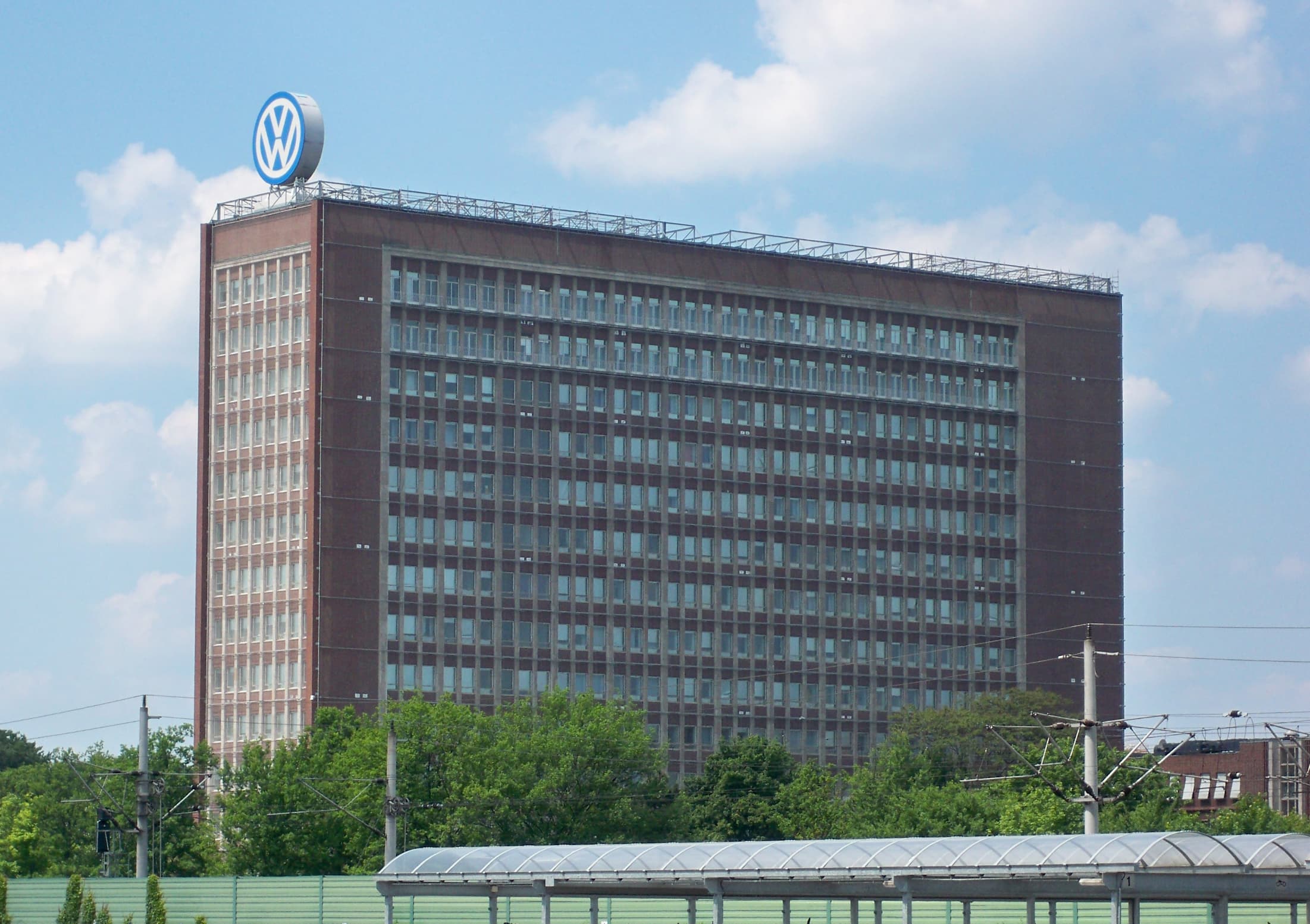
Volkswagen's supervisory board didn't call it a difficult decision or a painful necessity. They called it the biggest overhaul in the company's 89-year history — and then approved it unanimously.
Another 50,000 Jobs, on Top of the Last 50,000
The plan, branded Future Plan 2030, adds 50,000 more job cuts to the 50,000 Volkswagen had already committed to eliminating — bringing the total to roughly 100,000 positions gone by the end of the decade. The company hasn't specified where the new cuts will land or whether they'll come through layoffs, buyouts, or attrition.
Volkswagen is also cutting its model lineup by half by 2035 and reducing the overall "complexity" of what it builds by 75% — a deliberate retreat from the sprawling, everything-for-everyone product strategy that has defined the company for decades.
In this crisis situation, we fought hard for good solutions.
Christiane Benner, president of union IG Metall
Why Now
The pressures are stacking up from multiple directions at once: higher U.S. tariffs on European auto exports, slowing sales in China as domestic manufacturers close the gap on price and technology, and the sheer cost of financing an EV transition Volkswagen committed to years ago. The company is targeting 9 million vehicles sold annually and a 9% operating margin by 2030 — both a considerable stretch from where it stands today.
Four German plants whose future production hasn't been secured past 2031 are now explicitly on the table for "alternative uses," corporate language that rarely points toward good news for the towns built around them.
The Market Liked It Anyway
Despite the scale of the cuts, investors reacted well: Volkswagen topped the Stoxx 600 in the days following the announcement, up as much as 8%, as markets read the plan as evidence the company is finally confronting its cost problem head-on rather than delaying it further.