The explosion in Kermanshah came without warning, in the dark, far from the coastline where everyone had been watching for a fight. By morning, four members of Iran's Revolutionary Guard aerospace forces were dead, a tanker was sitting on the floor of the Gulf of Oman, and both governments were accusing each other of throwing the first punch — again.
What Happened Overnight
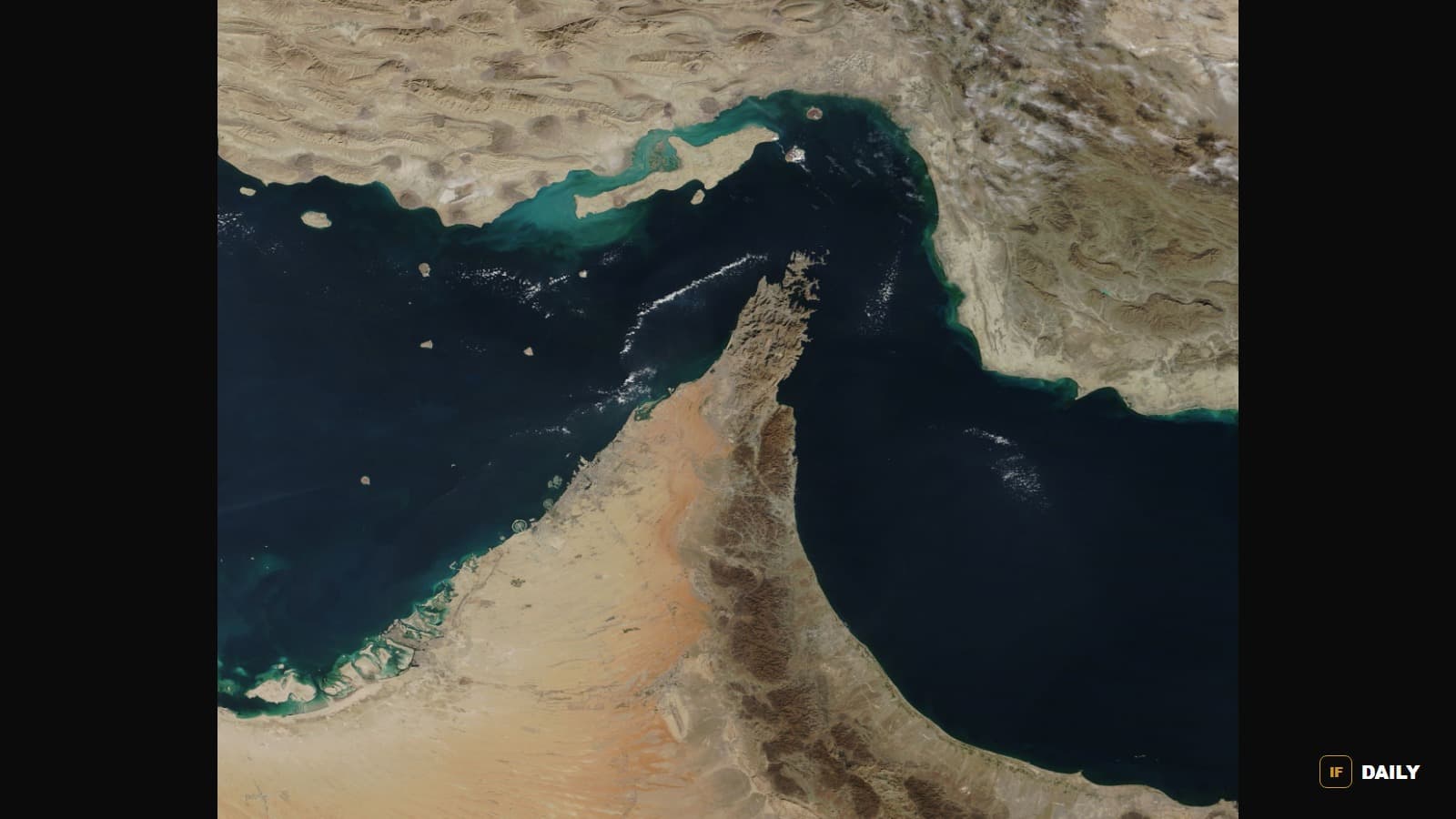
U.S. Central Command said it carried out a wave of strikes on Iranian air defense, radar, mine-laying, and communications sites along Iran's Strait of Hormuz coastline. President Trump, posting on Truth Social, framed it as retaliation for what he called a failed Iranian attempt to lay sea mines in the strait — one of the world's most important oil corridors, carrying roughly a fifth of global crude consumption.
The Deaths in Kermanshah
Iran's state-run IRNA news agency named four aerospace force members it said were killed in the Kermanshah strikes: Reza Mohammadi, Shahram Jafari, Alireza Shakiba, and Jafar Kahrizi. IRNA also reported three Basij militia members killed in a separate strike on Lavan Island. None of these figures have been independently confirmed by U.S. sources, which is worth holding onto — in a fast-moving conflict, casualty counts from either side tend to arrive faster than verification does.
Iran's Response
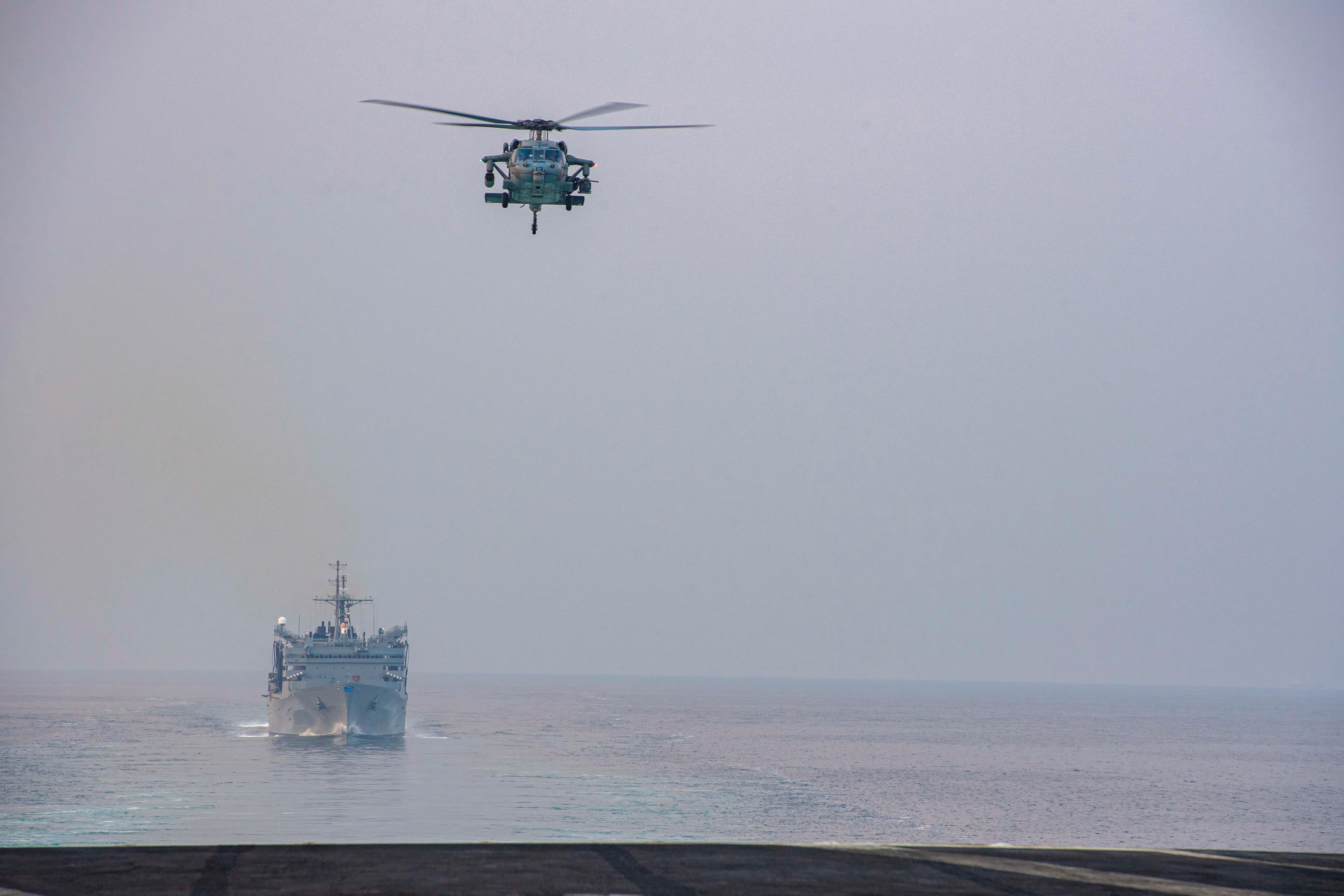
The IRGC said it answered with its own strikes on American positions across the region, including in Iraq, the United Arab Emirates, Bahrain, and Kuwait. Separately, CENTCOM said it targeted an Iranian crude tanker, the M/T Kylo, which sank in the Gulf of Oman — a U.S. official statement dryly noted it had "joined Iran's navy at the bottom of the sea."
How a Cease-Fire Talk Turned Into This
This didn't come out of nowhere. Trump announced "major combat operations" against Iran back in February, followed by joint U.S.-Israeli strikes on military, government, and infrastructure sites. By June, delegations from both countries were sitting down to negotiate a war-ending deal. Whatever was on that table hasn't held. Strikes and counterstrikes have kept surfacing every few weeks since, and this is the most lethal exchange in that pattern so far.
Why This Reaches Past the Gulf
The 10-year Treasury yield — which drives everything from mortgage rates to how expensive it is for companies to borrow — has been swept up in a global bond sell-off as investors price in a longer, costlier conflict. Higher energy costs, a national debt that just crossed $40 trillion for the first time, and a war with no clear off-ramp are now feeding each other. People far from Kermanshah are already feeling this in numbers on a mortgage statement.
IF Daily could not independently verify Iranian casualty figures at publication time; this account draws on reporting from NBC News, IRNA, ABC News, and CNN, cited below.